
Liability as an Asset
One of the most critical functions of EnviroLens LSN Corridors is to provide a structured space for specific reframing of large problems impacting a diverse collection of stakeholders all carrying many unique and offsetting priorities. By reframing the challenge, reimaging solutions and recombining shared knowledge, new routes to mutually beneficial outcomes are surfaced.
One of the most critical functions of EnviroLens LSN Corridors is to provide a structured space for specific reframing of large problems impacting a diverse collection of stakeholders all carrying many unique and offsetting priorities. By reframing the challenge, reimaging solutions and recombining shared knowledge, new routes to mutually beneficial outcomes are surfaced.
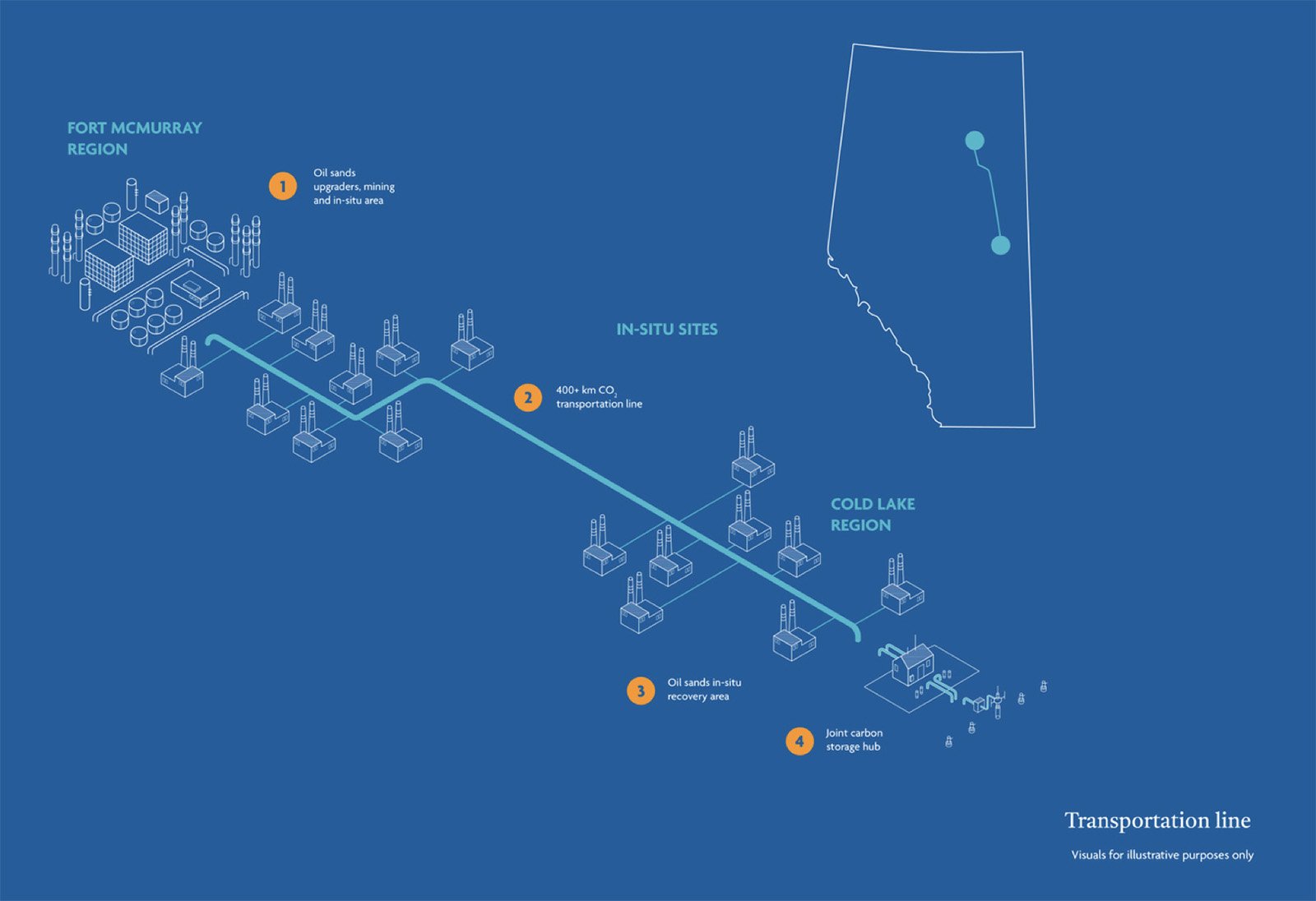
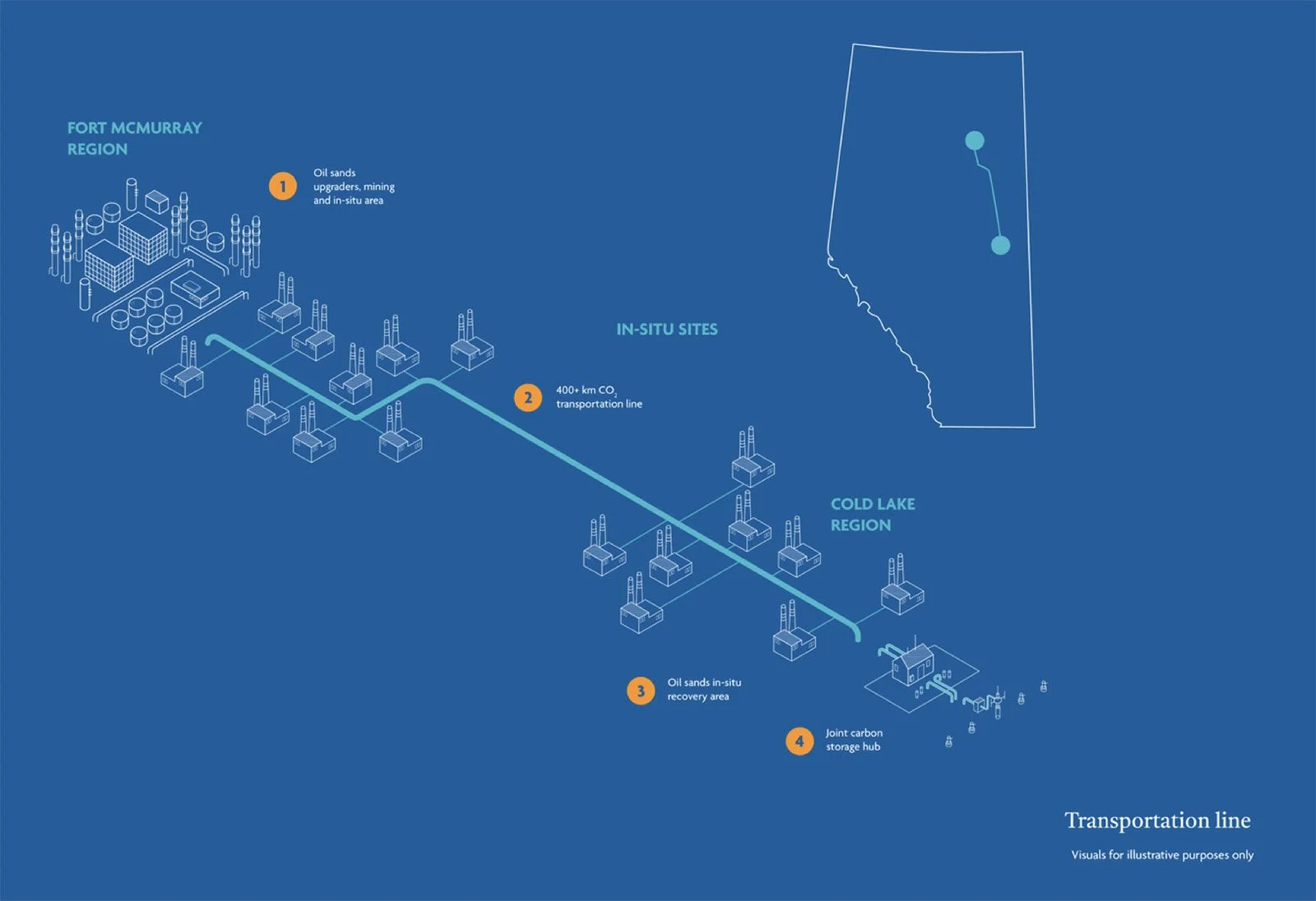
Take the diverse and dynamic challenges currently impacting the consultation process between the Pathways Alliance, the Government of Alberta and the First Nations of Treaty 6 along the proposed CCUS corridor. From every angle the Pathways CCUS project is a critical domino that needs to fall in order to put Canada and specifically Alberta on course to realize the promise presented by the recent energy development MOU between Danielle Smith and Mark Carney.
Unlocking Progress Through Adjacent Opportunities
With so many complex issues adding friction to the consultation process between the parties, identifying opportunities to work together on adjacent challenges that have long been a source of mistrust could act as a key catalyst for progress on Pathways. For Treaty 6 Member Nations the legacy inactive and un-reclaimed oil and gas sites on their treaty and ancestral lands, could serve as one of those opportunities.
Legacy Liabilities as a Pathway to Trust and Momentum
The current inventory of conventional inactive and un-reclaimed sites held by Pathways Alliance companies across the province of Alberta exceeds 50,000 with a significant number of those sites displaying both high risk environmental indicators and substantial histories of documented regulatory non-compliance. It is easy to understand how these issues have contributed to the current state of consultations. When combined with the fact that under AER D088 Pathways Alliance companies are required to spend north of $250M CAD annually on remediation and reclamation activity across the province. In this context it is easy to see how prioritized closure work occurring on Treaty 6 lands under a managed Pathways LSN Corridor project might lead to a thaw in relationships between the parties and create the conditions for sincere consultation on the Pathways CCUS project, providing a flywheel of benefit for all stakeholders.
Want to learn more? contact Us.

Asset Closure 2.0
In 2026 the Alberta energy sector alone will be directed to spend more than $750 million under the AER Directive 088 closure program. If that spending increases by 5% each year to account for inflation and program scaling, the cumulative closure spend over the next 25 years will reach approximately $35.80 billion. When you factor in additional spend across Western Canada and the additional funds to address Ontario’s estimated 40,000 un-reclaimed oil well sites, it is not unreasonable to assume that the actual closure spend could go north of $50-70B CAD over the next quarter century, which by some independent estimates still might only cover as little as one quarter the actual spend.
In 2026 the Alberta energy sector alone will be directed to spend more than $750 million under the AER Directive 088 closure program. If that spending increases by 5% each year to account for inflation and program scaling, the cumulative closure spend over the next 25 years will reach approximately $35.80 billion. When you factor in additional spend across Western Canada and the additional funds to address Ontario’s estimated 40,000 un-reclaimed oil well sites, it is not unreasonable to assume that the actual closure spend could go north of $50-70B CAD over the next quarter century, which by some independent estimates still might only cover as little as one quarter the actual spend.

The good news is that the next 25 years of rem/rec closure activity won’t look anything like the last 25 years when the power of sunshine, expanded stakeholder engagement and AI combine to replace a system of misaligned incentives that have evolved to deliver world class closure related services and outcomes in the most inefficient and costly way possible.
From Deferred Risk to Planned Action
With new technology and AI augmented perpetual risk, prioritization and planning capabilities, future priorities will focus on pulling site contamination discovery forward in the lifecycle. This means replacing a system that is built around indefinite deferrals and strategic obfuscation and instead using technology at scale to track, analyze and prioritize early intervention and remediation as indicated. This step change in thinking alone will positively impact the balance sheets of producers by converting billions of dollars in asset closure liability into millions of dollars of budgeted OPEX spend amortized across the producing life of an asset.
This perpetual contaminant discovery process combined with independent analysis of publicly reported and available regulatory compliance data will create a powerful opportunity for energy producers to start to manage down their terminal closure cost liability. This alone will have a dramatic effect on budget stewardship, license transfers, accessing capital and good will with the First Nations of Canada who are deeply invested in better outcomes from both environmental and economic perspectives that will ensure that a thriving energy sector that is out in front of risk provides durable prosperity well into the future.
Questions? Let’s talk.
Source to Sea – LSN Corridors
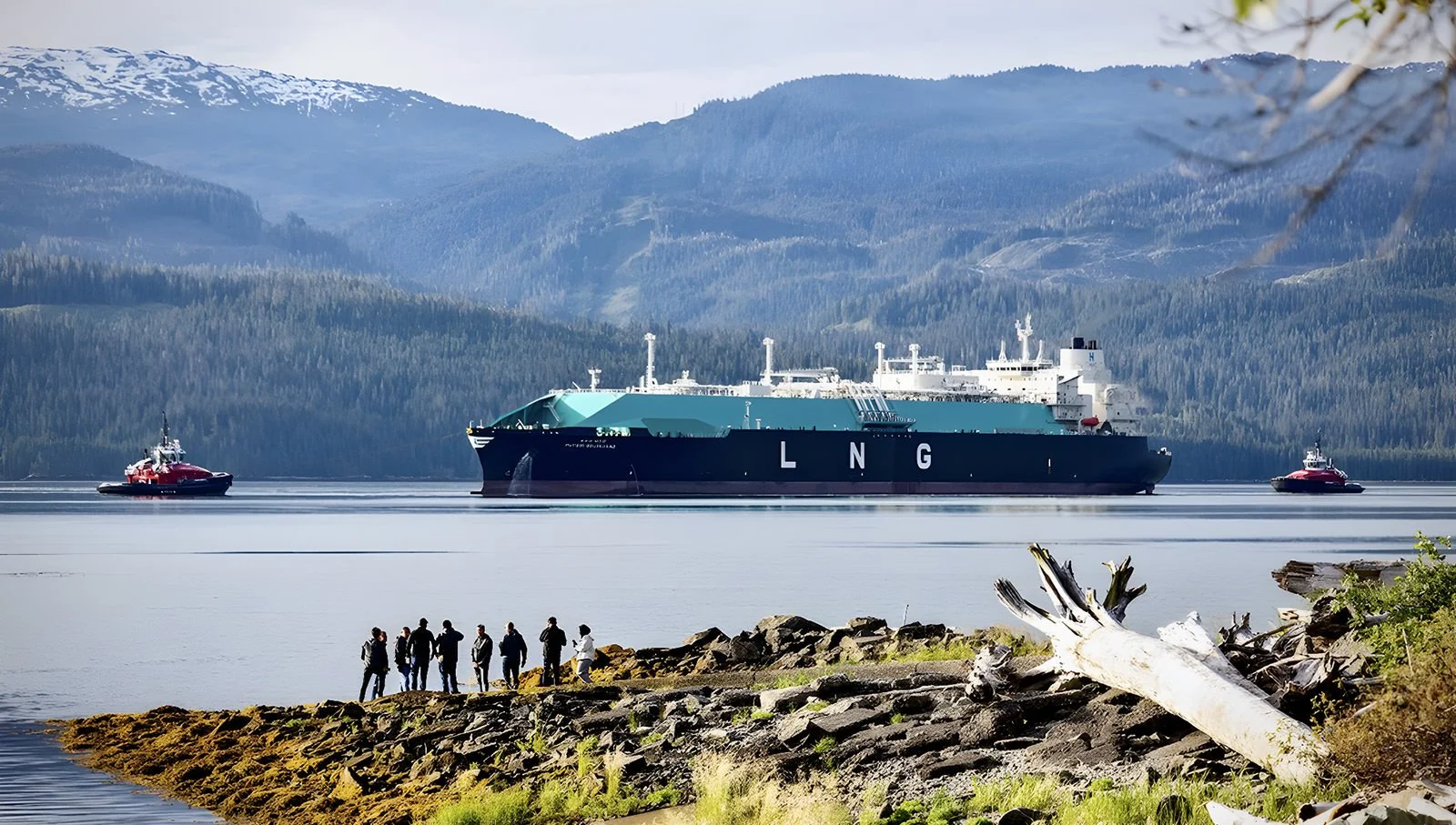
The creation of digital Land Stewardship Corridors offers a transformative solution to the longstanding barriers to access, continuity, and control of information, long-experienced by First Nations. By replacing fragmented, industry-controlled reports with a unified, Source to Sea transparency framework, Land Stewardship Corridors restore visibility, continuity, and accountability across the full lifecycle of land and water impacts.
The creation of digital Land Stewardship Corridors offers a transformative solution to the longstanding barriers to access, continuity, and control of information, long-experienced by First Nations. By replacing fragmented, industry-controlled reports with a unified, Source to Sea transparency framework, Land Stewardship Corridors restore visibility, continuity, and accountability across the full lifecycle of land and water impacts.
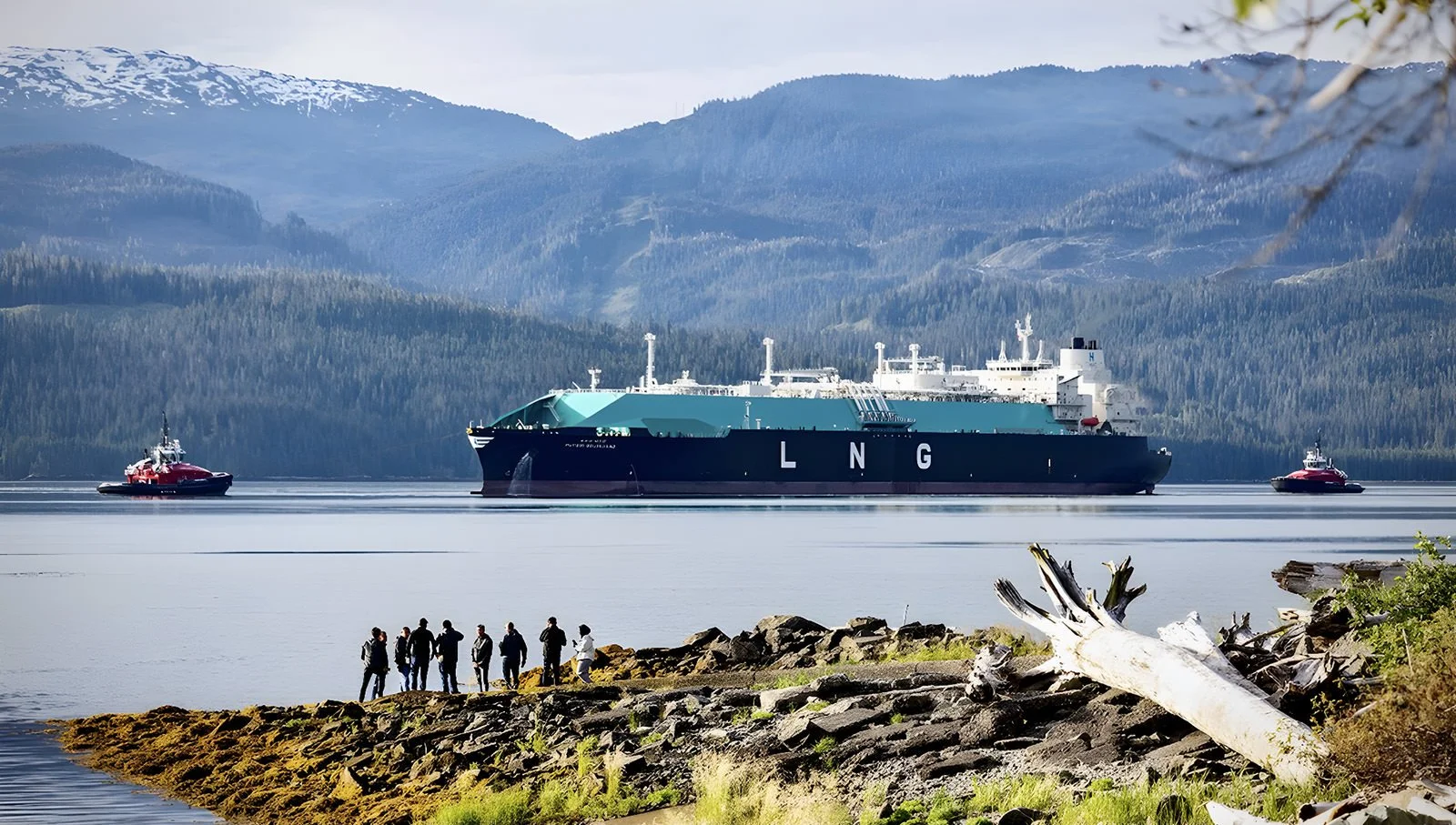
For many Indigenous Nations and communities, the impact of a project like an LNG terminal is felt not just at the fence line, but through the cumulative effects on upstream watersheds in Northeast BC and downstream marine ecosystems on the coast. These LSN Corridors act as a shared digital and physical trust envelope, where real-time environmental data is accessible to all corridor stakeholders, from methane emissions at the wellhead to underwater noise levels in shipping lanes.
This comprehensive view allows First Nations to exercise their role as stewards of their lands and waters with a level of oversight that has historically been exercised by government regulators, but not consistently extended to Nations. It ensures that the lands and waters wildlife depend on remain intact across jurisdictional boundaries.
Purpose and Utility for First Nations Stakeholders
The primary utility of these corridors is the operationalization of Indigenous Data Sovereignty and the equitable access of technical analysis. Traditionally, Nations have had to chase data across multiple provincial and federal agencies or rely on summaries provided by the very companies they are monitoring. A Land Stewardship Corridor resets this dynamic by providing:
Holistic Oversight: First Nations can track how upstream extraction in Treaty 8 territory affects the water quality and salmon health vital to Coastal Nations, enabling coordinated stewardship and a shared understanding of cumulative environmental impacts across territories.
Guardian Integration: The corridor provides a formal platform for Indigenous Guardian programs to upload field data, ensuring that Traditional Ecological Knowledge is legally weighted alongside Western industrial metrics.
Predictive Stewardship: High accessibility to cumulative impact analysis allows Nations to move from reactive litigation (stopping projects after damage is done) to proactive management (adjusting project parameters in real-time to protect specific habitats).
Reduced Consultation Fatigue: By having a ‘single source of truth’ for the entire corridor, Nations save immense community capacity that is currently wasted on reviewing overlapping, redundant environmental assessments.
Land Stewardship Corridors enable infrastructure that supports Nation-led stewardship, decision-making, and inter-jurisdictional coordination on terms defined by the corridor participants themselves. By restoring continuity and transparency of environmental data, these corridors help ensure that development decisions are informed by the full, living systems they affect – today and for generations to come.
Want to learn more? Get in touch with us.

Operationalizing Trust: How Shared Learnings Are Underwriting Canada’s Major Project Approval Process
When a plan is not working it is often said that either the first steps are too large or too complicated. The goal of EnviroLens is to acknowledge that the Indigenous Consultation process is Canada is not performing the way it needs to if Canada and its Indigenous Peoples are to realize the generational potential of this moment.
When a plan is not working it is often said that either the first steps are too large or too complicated. The goal of EnviroLens is to acknowledge that the Indigenous Consultation process in Canada is not performing the way it needs to if Canada and its Indigenous Peoples are to realize the generational potential of this moment.

ON DUTY
In Canada and more specifically, in the context of major project planning and delivery, the Duty to Consult, derived from the "Honour of the Crown" and entrenched in Section 35 of the Constitution Act, 1982, is a fundamental pillar of major infrastructure strategy because it transforms Indigenous engagement from a discretionary "good neighbor" policy into a mandatory legal requirement for project certainty.
For proponents of pipelines, mines, or clean energy projects, failing to fulfill this duty is bad business as it has the potential to create significant friction and elevated litigation risk, as courts can (and frequently do) quash federal or provincial permits if consultation is deemed insufficient or insincere. Strategically, this requirement necessitates that project developers move beyond mere information sharing toward a model of early engagement and accommodation, where project design and delivery is mindful of traditional land use, biodiversity, and cultural heritage.
By integrating Section 35 requirements into the earliest phases of planning, proponents can mitigate the risk of costly delays, foster "social license," and move toward economic reconciliation, turning potential legal hurdles into stable, long-term partnerships with Indigenous communities.
ON DATA
A reset of the Indigenous consultation process requires moving away from a history of one sided "data silos" and strategic obfuscation of environmental risk and regulatory compliance data of the past towards a model of co-production and access. Shared and accurate data — combining Western scientific metrics with Traditional Ecological Knowledge—serves as a "single source of truth" that can bridge the current trust deficit.
When First Nations possess the capacity to lead their own environmental monitoring through Guardian programs rooted in evergreen “cradle to grave” environmental data collection and analysis, they transition from passive recipients of industry reports to active stewards of their Treaty and Ancestral lands. Establishing clear protocols for Ownership, Control, Access, and Possession (OCAP®) ensures that data is not used extractively but as a tool for informed, community-led decision-making. Ultimately, a foundation of transparent, high-quality data provides the objective baseline needed to move from adversarial engagement towards collaborative, long-term environmental management.
ON SHARED LEARNINGS
In a future defined by trust and transparency, applied shared learnings act as a catalyst for efficiency by transforming the consultation process from a repetitive legal hurdle into a streamlined, knowledge-sharing engine. When project proponents, regulators, and Indigenous nations openly share outcomes from previous assessments—such as effective mitigation techniques for sensitive habitats or successful community-benefit structures—they avoid "reinventing the wheel" for every new application. This collective intelligence reduces regulatory timelines, as joint data sets and proven engagement protocols allow for faster, more predictable decision-making.
Economically, this shift toward operationalized trust translates into a significant competitive advantage for Canada. By reducing the uncertainty that leads to multi-year delays and costly litigation, shared learnings lower the cost of capital and de-risk projects for institutional investors. For instance, authentic Indigenous partnerships have been shown to cut project timelines by as much as 40–60%, unlocking billions in GDP more rapidly. When major infrastructure moves ahead efficiently through early alignment and shared data, it secures Canada’s role as a stable destination for global investment while simultaneously accelerating Indigenous economic self-determination through equity ownership and local job creation.
Questions? reach out to us directly.
QUESTIONS?