
Source to Sea – LSN Corridors
The creation of digital Land Stewardship Corridors offers a transformative solution to the longstanding barriers to access, continuity, and control of information, long-experienced by First Nations. By replacing fragmented, industry-controlled reports with a unified, Source to Sea transparency framework, Land Stewardship Corridors restore visibility, continuity, and accountability across the full lifecycle of land and water impacts.
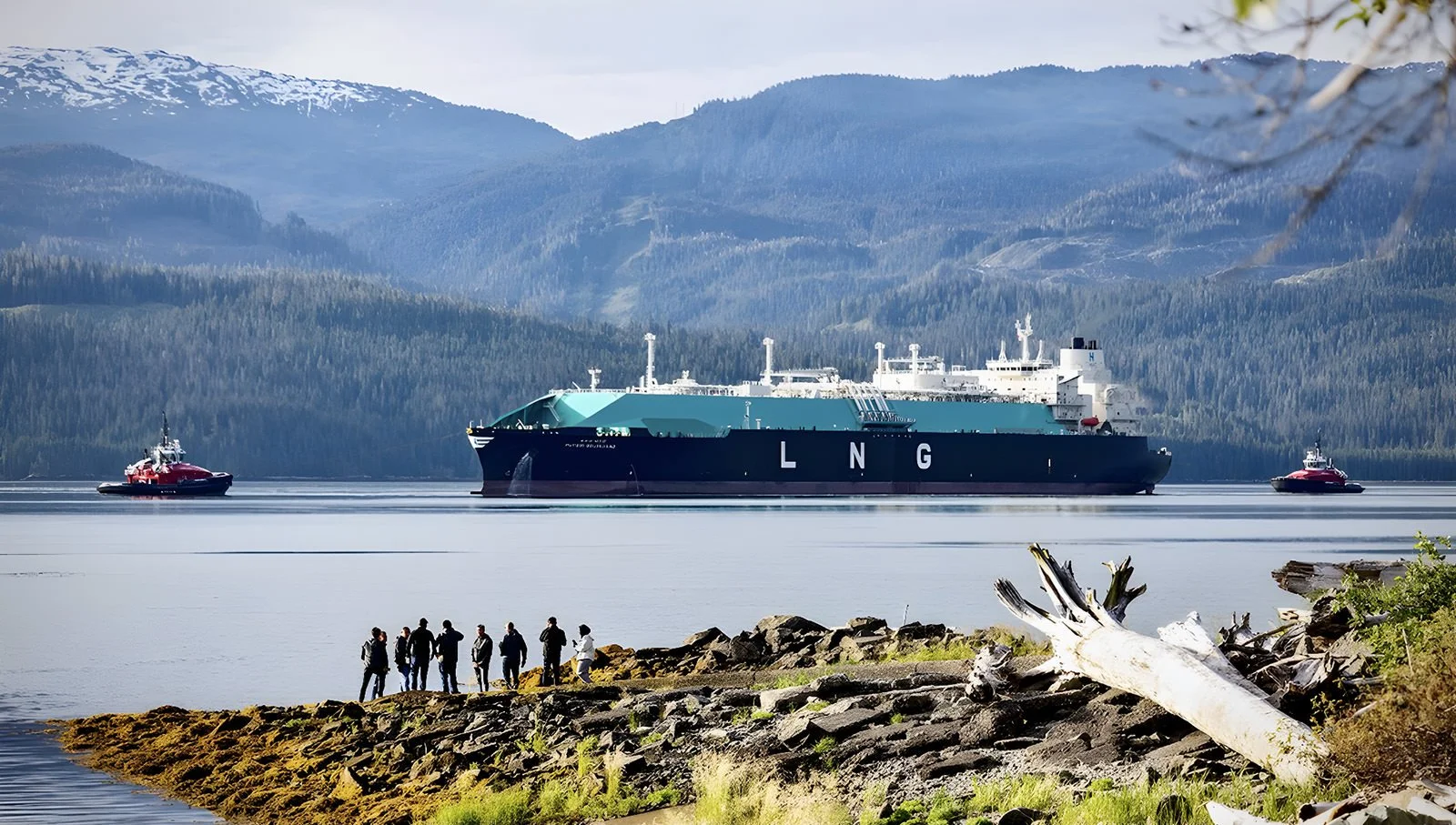
For many Indigenous Nations and communities, the impact of a project like an LNG terminal is felt not just at the fence line, but through the cumulative effects on upstream watersheds in Northeast BC and downstream marine ecosystems on the coast. These LSN Corridors act as a shared digital and physical trust envelope, where real-time environmental data is accessible to all corridor stakeholders, from methane emissions at the wellhead to underwater noise levels in shipping lanes.
This comprehensive view allows First Nations to exercise their role as stewards of their lands and waters with a level of oversight that has historically been exercised by government regulators, but not consistently extended to Nations. It ensures that the lands and waters wildlife depend on remain intact across jurisdictional boundaries.
Purpose and Utility for First Nations Stakeholders
The primary utility of these corridors is the operationalization of Indigenous Data Sovereignty and the equitable access of technical analysis. Traditionally, Nations have had to chase data across multiple provincial and federal agencies or rely on summaries provided by the very companies they are monitoring. A Land Stewardship Corridor resets this dynamic by providing:
Holistic Oversight: First Nations can track how upstream extraction in Treaty 8 territory affects the water quality and salmon health vital to Coastal Nations, enabling coordinated stewardship and a shared understanding of cumulative environmental impacts across territories.
Guardian Integration: The corridor provides a formal platform for Indigenous Guardian programs to upload field data, ensuring that Traditional Ecological Knowledge is legally weighted alongside Western industrial metrics.
Predictive Stewardship: High accessibility to cumulative impact analysis allows Nations to move from reactive litigation (stopping projects after damage is done) to proactive management (adjusting project parameters in real-time to protect specific habitats).
Reduced Consultation Fatigue: By having a ‘single source of truth’ for the entire corridor, Nations save immense community capacity that is currently wasted on reviewing overlapping, redundant environmental assessments.
Land Stewardship Corridors enable infrastructure that supports Nation-led stewardship, decision-making, and inter-jurisdictional coordination on terms defined by the corridor participants themselves. By restoring continuity and transparency of environmental data, these corridors help ensure that development decisions are informed by the full, living systems they affect – today and for generations to come.