
Asset Closure 2.0
In 2026 the Alberta energy sector alone will be directed to spend more than $750 million under the AER Directive 088 closure program. If that spending increases by 5% each year to account for inflation and program scaling, the cumulative closure spend over the next 25 years will reach approximately $35.80 billion. When you factor in additional spend across Western Canada and the additional funds to address Ontario’s estimated 40,000 un-reclaimed oil well sites, it is not unreasonable to assume that the actual closure spend could go north of $50-70B CAD over the next quarter century, which by some independent estimates still might only cover as little as one quarter the actual spend.
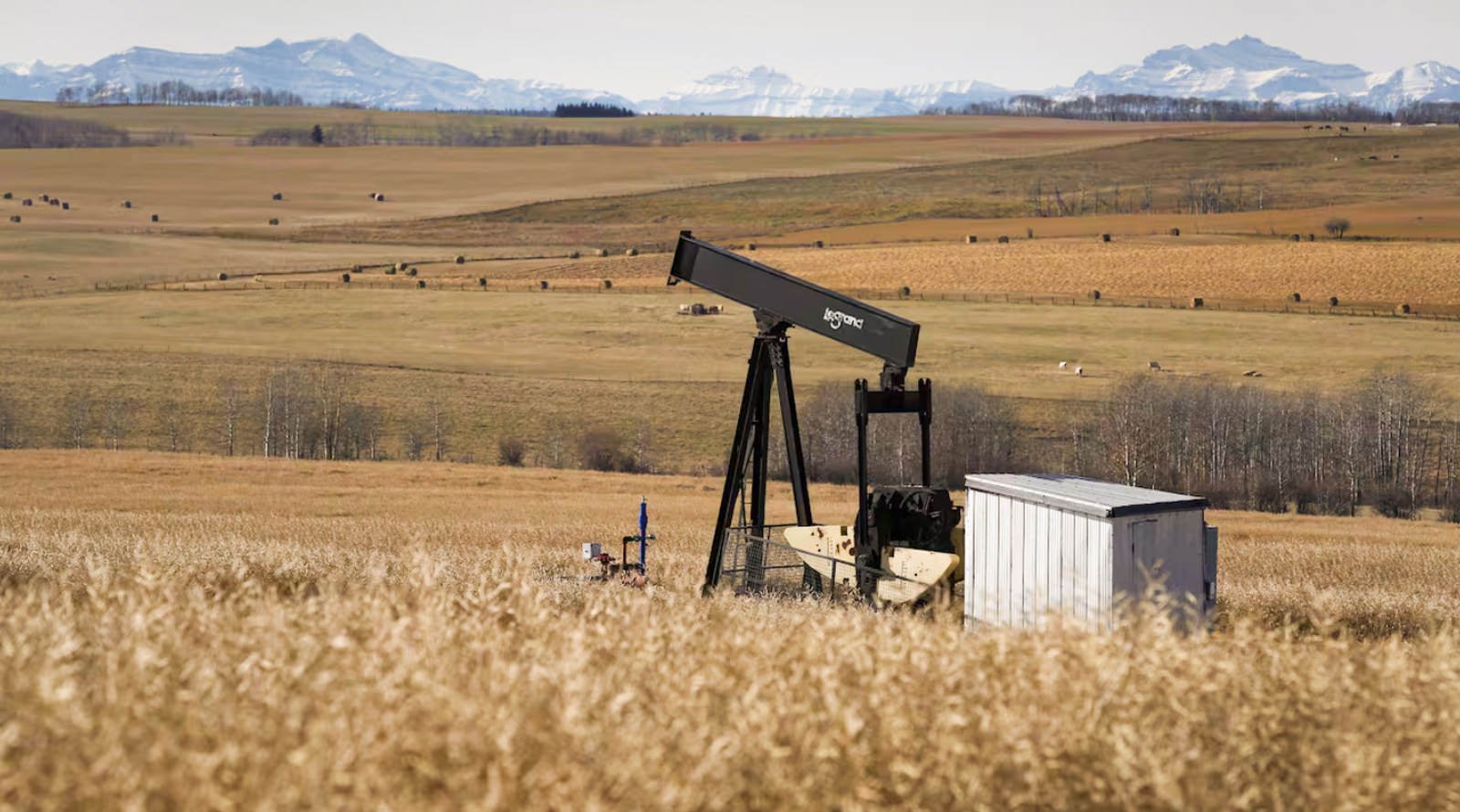
The good news is that the next 25 years of rem/rec closure activity won’t look anything like the last 25 years when the power of sunshine, expanded stakeholder engagement and AI combine to replace a system of misaligned incentives that have evolved to deliver world class closure related services and outcomes in the most inefficient and costly way possible.
From Deferred Risk to Planned Action
With new technology and AI augmented perpetual risk, prioritization and planning capabilities, future priorities will focus on pulling site contamination discovery forward in the lifecycle. This means replacing a system that is built around indefinite deferrals and strategic obfuscation and instead using technology at scale to track, analyze and prioritize early intervention and remediation as indicated. This step change in thinking alone will positively impact the balance sheets of producers by converting billions of dollars in asset closure liability into millions of dollars of budgeted OPEX spend amortized across the producing life of an asset.
This perpetual contaminant discovery process combined with independent analysis of publicly reported and available regulatory compliance data will create a powerful opportunity for energy producers to start to manage down their terminal closure cost liability. This alone will have a dramatic effect on budget stewardship, license transfers, accessing capital and good will with the First Nations of Canada who are deeply invested in better outcomes from both environmental and economic perspectives that will ensure that a thriving energy sector that is out in front of risk provides durable prosperity well into the future.